Home Loans for First Home Buyers
Buying a home, let alone your first home, can be exciting and daunting at the same time. As one of the largest financial commitments you may make, working with a mortgage broker like QF Finance can help you explore suitable options and better understand the process.
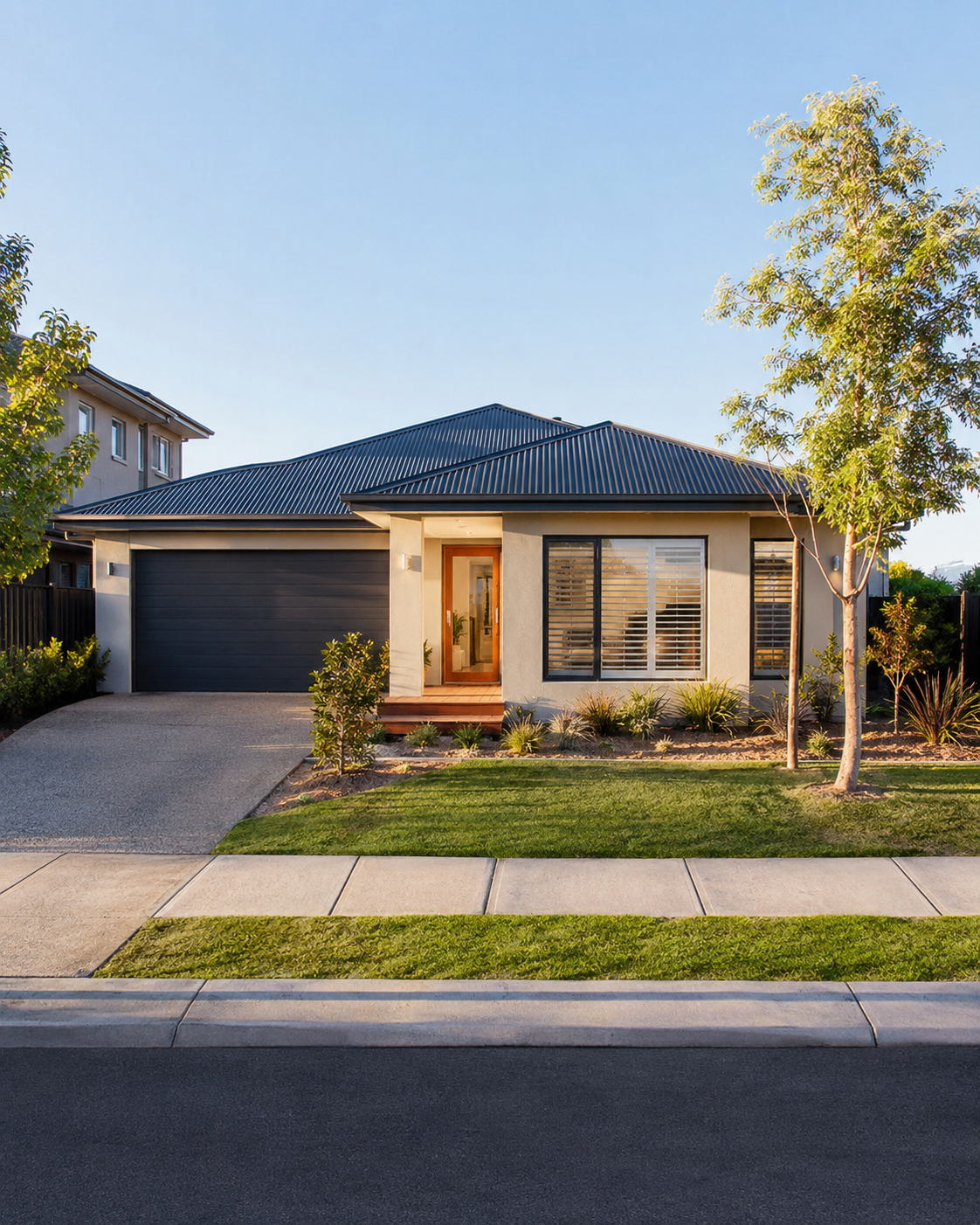
What to expect when buying your first home
At QF Finance, we understand the emotions and the considerations involved. That is why we are committed to guiding you through every step of the process and keeping you informed along the way.
We start by getting a clear picture of your deposit, your income and what you want to buy. From there we work out a realistic borrowing range, check which government schemes you may qualify for, and compare loans across our panel so you can walk into an inspection knowing exactly where you stand.
Where we help most
- Working out what you can genuinely afford, not just what a bank will lend
- Explaining the deposit you need and how lenders mortgage insurance affects it
- Checking your eligibility for grants, schemes and stamp duty concessions
- Preparing your application so it presents well to the right lender
- Coordinating with your conveyancer through to settlement
What Government Assistance am I eligible for?
You may be eligible for the Australian Government 5% Deposit Scheme — this scheme is designed to assist eligible first home buyers purchase their first property with a deposit as low as 5%.
Eligibility for this scheme depends on criteria such as:
- Purchase price of the property.
- Whether you are an Australian Citizen or Permanent Resident of Australia.
- Whether you have owned a property (or held interest in property) in Australia within the last 10 years.
- The lender that you seek a home loan from — only certain lenders participate in the scheme.
The scheme is available in all States and Territories; however, postcode or location restrictions may apply depending on the lender. Places may be limited and not all applicants will qualify.
For further information and to check if you are eligible, visit the Housing Australia website, or book a consultation with QF Finance using the button at the top of this page.
Worth knowing: A low deposit may reduce upfront costs but can increase loan size and overall interest paid.
First Home Owner Grant (FHOG)
You may be eligible for a First Home Owner/Buyer Grant (aka FHOG) — these grants are administered at a State and Territory level, meaning eligibility requirements and grant amounts differ depending on your location.
To check your eligibility and available grants, you can visit the websites for the respective State/Territory Revenue Offices below:
Stamp duty concessions
Stamp duty concessions may also be available to you — stamp duty rules are determined by each State and Territory and vary accordingly. Concessions and exemptions may be available to eligible first home buyers.
Generally there are limits that apply to the purchase price. Refer to your State/Territory Revenue Office site for more information. Tip: the links above will open the Revenue Office site — from the FHOG page you should be able to navigate easily to other first home buyer schemes such as stamp duty concessions, if applicable.
How much can I borrow?
Our service will help guide you through your potential borrowing power.
How much you can borrow depends on several factors, as well as differing lender criteria and lending policies. During the consultation process, we will gather information about your full financial situation to provide you with a better understanding of not only your borrowing power, but what this translates to in the purchase price.
In the meantime, feel free to use our online calculator below.
See how much I can borrowWhat is LMI (Lenders Mortgage Insurance)?
LMI, or Lenders Mortgage Insurance, covers the lender, not you as the borrower.
Historically lenders would not lend a borrower more than 80% of the value of a property to minimise their risk of financial loss should a borrower default on a mortgage and subsequently have to sell the property for an amount lower than the original purchase price.
As property prices grew, so did the amount of a deposit required — making it more difficult to save 20% (plus costs).
Lenders introduced higher lending ratios (ie greater than 80% of the property value) to minimise the deposit required. However, this was deemed by the lenders to increase the risk of a financial loss. As such, in these instances, insurance was purchased by the lender to cover any financial loss that may be incurred in the event the borrower defaulted on their mortgage and the property had to be sold by the lender.
The insurer charges the lender a “once-off” premium for the policy that is calculated as a percentage of the original loan amount. The lender passes this cost onto the borrower.
Worth knowing: Government schemes, grants, and concessions are subject to change at any time without notice. Eligibility criteria and benefits may vary. Please refer to the relevant government websites or speak with a QF Finance representative for current information.
Book a no obligation consultation
Tell us where you are up to and we will map out your options and the smartest next step. Complimentary, no obligation to proceed.